Featured
Table of Contents
That releases up cash in the short-term, and you may have three to 4 years to save toward the settlement quantity. Really dangerous to credit score ratings, mostly as a result of missed out on payments and a negative "settled" mark that can remain on your credit score report for as much as 7 yearsMay be only alternative if various other options (financial debt combination, balance transfer bank card, debt forgiveness) aren't possibleTypically needs a cost to the third event, which might balance out some or every one of the savings from debt settlementMay aid you stay clear of insolvency if you've missed out on numerous paymentsNot all creditors deal with financial debt settlement firms Financial obligation forgiveness may be right for you if you are experiencing an economic challenge that makes it virtually impossible to pay for your financial obligation balances.
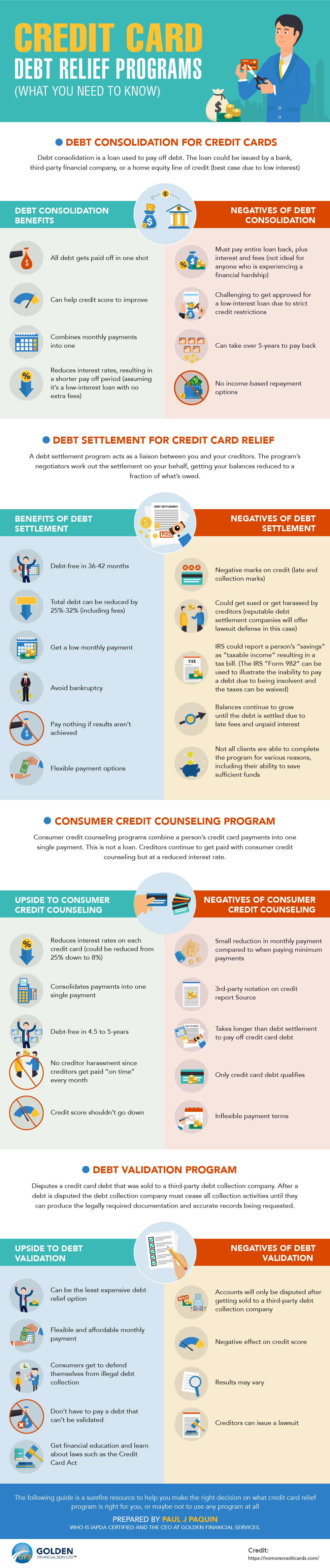
With a DMP, you make one regular monthly payment to the debt counseling firm. Those funds are after that dispersed to financial institutions of your unsafe financial debts, such as charge card and installment fundings. The agency deals with your creditors to lower rates of interest or waive fees, however some creditors might reject such concessions.
It can help you pay down financial obligation if you're able to protect a funding price that's reduced than the ordinary rate of the accounts you're consolidating. You need to avoid from racking up debt on those newly gotten rid of accounts or your financial obligation can expand also greater.
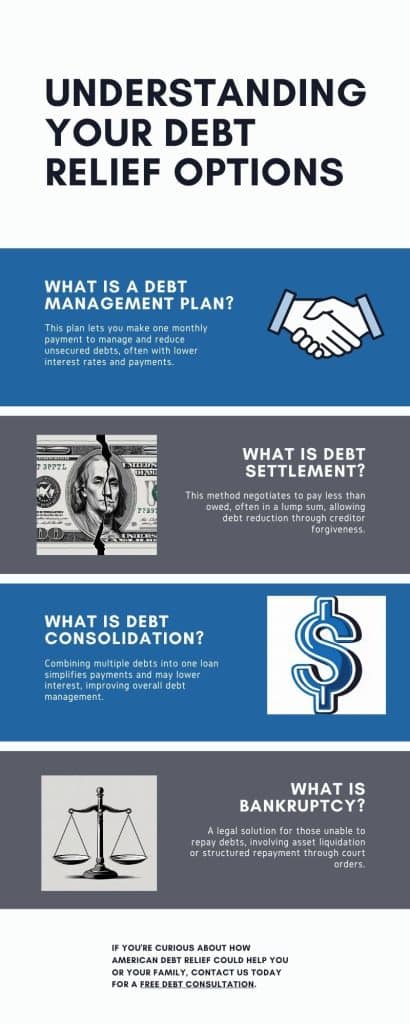
These cards typically offer a 0% rate of interest initial duration of approximately 21 months. That offers you lots of time to remove or dramatically decrease your balance while making interest-free settlements. For some individuals dealing with insurmountable debt, insolvency might be the only method to quit collection proceedings and legitimately settle their financial obligations.
Getting The Your Introduction to Service Service Areas & Locations : APFSC and What to Bring To Work
You might require it if your financial institution or a collection firm ever attempts to collect on the debt in the future. When a lending institution forgives $600 or more, they are needed to send you Type 1099-C.
Financial debt forgiveness or settlement nearly constantly injures your credit. Anytime you settle a debt for much less than you owe, it might look like "settled" on your credit history report and impact your credit rating for 7 years from the date of settlement. Your credit rating can likewise drop significantly in the months resulting in the forgiveness if you drop behind on payments.
What Does What to Watch For While Selecting a Service Service Areas & Locations : APFSC Provider Do?
Tax obligation debt concession programs Tax financial obligation takes place when the quantity of taxes you owe exceeds what you have paid. This situation frequently arises from underreporting earnings, not submitting returns on schedule, or inconsistencies discovered during an IRS audit. The repercussions of gathering tax debt are major and can include tax liens, which offer the internal revenue service a lawful case to your residential or commercial property as protection for the financial debt.
Incomes and Financial institution Accounts Internal revenue service can levy (take) earnings and bank accounts to please the debt. Residential property Seizure In extreme situations, the Internal revenue service can seize and offer residential or commercial property to cover the financial obligation.
Anxiety, anxiety, and other mental wellness problems. Social Stigma Encountering lawful activity from the IRS can carry social stigma. Damages to reputation and partnerships. Work Opportunities A bad credit rating score due to strain debt can restrict employment opportunities. Problem finding or keeping a work. Federal government Benefits Tax obligation debt might influence eligibility for federal government benefits, such as Social Security and Medicaid.
The Definitive Guide to New Laws Impacting Service Service Areas & Locations : APFSC Availability
The OIC thinks about several variables, including the taxpayer's revenue, costs, property equity, and ability to pay. Efficiently working out an OIC can be complex, calling for a comprehensive understanding of the internal revenue service's guidelines and a solid debate for why your deal straightens with your capability to pay. It is very important to keep in mind that not all applications are approved, and the procedure calls for detailed monetary disclosure.
The internal revenue service evaluates your overall economic situation, including your revenue, expenses, property equity, and capability to pay. You need to also be current with all declaring and repayment requirements and not remain in an open personal bankruptcy proceeding. The internal revenue service also considers your compliance background, reviewing whether you have a record of prompt declaring and paying tax obligations in previous years.
Get This Report about Your First Step to Service Service Areas & Locations : APFSC and What to Bring
The application procedure for an Offer in Compromise includes several in-depth steps. First, you need to complete and send IRS Kind 656, the Offer in Concession application, and Type 433-A (OIC), a collection details statement for individuals. These types need extensive economic info, consisting of details concerning your income, financial debts, expenditures, and properties.
Back tax obligations, which are unsettled tax obligations from previous years, can substantially increase your overall internal revenue service financial obligation if not addressed immediately. This debt can accumulate interest and late repayment charges, making the initial quantity owed much bigger with time. Failure to repay tax obligations can result in the internal revenue service taking enforcement actions, such as releasing a tax obligation lien or levy versus your property.
It is essential to resolve back tax obligations asap, either by paying the total owed or by setting up a repayment strategy with the IRS. By taking aggressive steps, you can prevent the buildup of added rate of interest and penalties, and stop extra hostile collection activities by the IRS.
One common reason is the idea that the taxpayer can pay the sum total either as a round figure or through a payment strategy. The internal revenue service additionally takes into consideration the taxpayer's revenue, costs, asset equity, and future earning possibility. If these elements indicate that the taxpayer can afford to pay more than the used amount, the internal revenue service is most likely to turn down the deal.
Some Known Facts About Legal Considerations Related to Service Service Areas & Locations : APFSC.
It is crucial to give accurate and total info in your application and to seek advice from a tax professional to boost the chances of acceptance. Taking care of internal revenue service financial debt can be intricate and daunting. Tax experts, such as CPAs, tax obligation lawyers, or enlisted representatives, can offer vital assistance. They have the competence to navigate the ins and outs of tax regulation and internal revenue service procedures.

Table of Contents
Latest Posts
The Main Principles Of Actual Experiences of Debt Relief Users
Rumored Buzz on No-Cost Learning When is the Right Time to Consolidate Debt for Relief? : APFSC Workshops for Consumers
What Does How Waiting to Seek Debt Help Makes Things Worse Mean?
More
Latest Posts
The Main Principles Of Actual Experiences of Debt Relief Users
Rumored Buzz on No-Cost Learning When is the Right Time to Consolidate Debt for Relief? : APFSC Workshops for Consumers
What Does How Waiting to Seek Debt Help Makes Things Worse Mean?